Spec Battle: Cherry Xtrfy Mx 10 1 Wireless vs Apple Studio Display Xdr — Is It Worth Upgrading?
Short verdict: Upgrading depends entirely on what role each product plays in a buyer's setup. The Cherry Xtrfy Mx 10 1 Wireless represents a focused peripheral upgrade—improving typing feel, latency, and desk ergonomics—while the Apple Studio Display XDR is a category-level display investment aimed at color-critical workloads and immersive visual fidelity. For users who primarily want better input responsiveness and a cleaner desk, the keyboard is the obvious and cost-effective upgrade. For professionals in creative fields who rely on accurate color, high dynamic range, and a large, consistent workspace, the Studio Display XDR is worth the premium—provided the rest of the system can take advantage of it.
Introduction
This article puts two very different pieces of kit into one "spec battle" bracket: the Cherry Xtrfy Mx 10 1 Wireless (a mechanical wireless input device that targets productivity and gaming adjacent use) and the Apple Studio Display XDR (Apple's high-end display geared toward pro and creative users). Readers often face divergent upgrade paths—one cheaper and incremental, the other expensive but transformative. This comparison breaks down design, real-world performance, pros and cons, and buying guidance to help readers decide which upgrade suits their workflow and budget.
Why this comparison matters
It might seem unusual to compare a keyboard-style peripheral with a pro display, but upgrade decisions in real setups are rarely about single-component metrics. Users must prioritize where incremental investment yields the most productivity or enjoyment: tactile input and workflow comfort, or visual accuracy and creative capability. This piece frames that trade-off and makes it actionable for common buyer profiles—remote workers, developers, writers, gamers, and creative professionals.
Cherry Xtrfy Mx 10 1 Wireless — Detailed analysis
Design and build
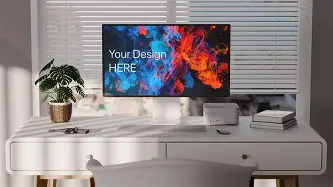
The Cherry Xtrfy Mx 10 1 Wireless targets people who want a mechanical typing experience without a cable tether. The unit emphasizes compactness (often occupying less desk real estate than a full-size keyboard), straightforward keycaps, and a minimalist aesthetic intended to blend into a modern desktop setup. The build typically balances a plastic frame with reinforced internals to keep weight moderate—enough to reduce movement yet light enough for portability.
Switches, typing feel, and latency
At the core of the product is a Cherry MX switch family heritage: known for predictable actuation and long life cycles. Wireless implementations in recent mechanical keyboards have improved significantly; modern designs pair efficient Bluetooth or proprietary 2.4 GHz links with low-latency modes intended for gaming or fast typing. The practical result for users is a clean, snappy feel for typing sessions and responsiveness suitable for casual gaming. For professional typists and developers, the tactile feedback reduces fatigue and improves precision over long days.
Battery life and connectivity
Wireless keyboards balance features and endurance. The Xtrfy model emphasizes day-long battery life in typical usage scenarios with a low-power standby mode. Connectivity often includes multi-host switching so users can pair the keyboard with a laptop and a desktop simultaneously—useful for people who juggle a MacBook and a desktop workstation. Charging is usually via a USB-C cable, which adds convenience over older micro-USB standards.
Real-world use cases
- Remote workers who type large volumes of email, documents, or code benefit from the comfortable mechanical action and reduced desk clutter.
- Casual gamers who want mechanical switches for feel but don’t want a wired setup find a sweet spot between responsiveness and convenience.
- Hybrid desktop/laptop users appreciate multi-device pairing and the portability to move the keyboard between work locations.
Pros & Cons — Cherry Xtrfy Mx 10 1 Wireless
- Pros:
- Improved typing comfort and accuracy compared with membrane keyboards
- Wireless convenience reduces cable clutter and increases portability
- Low-latency modes make it suitable for both typing and casual gaming
- Multi-device pairing increases versatility for multi-machine users
- Cons:
- Limited to keyboard-level impact—won't improve color accuracy, screen real-estate, or multimedia fidelity
- Mechanical keyboards can be louder than alternatives, which may be an issue in shared spaces
- Battery maintenance and occasional charging are an overhead compared with wired keyboards
Apple Studio Display XDR — Detailed analysis
Design and build
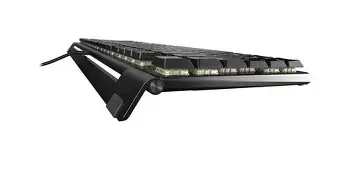
The Apple Studio Display XDR positions itself as a premium desktop monitor that prioritizes visual fidelity and a clean, integrated design. Apple’s displays typically focus on a slim profile, premium materials, and a stand that places emphasis on ergonomics and desk footprint. The visual presentation is intentionally neutral to integrate with Mac desktops and laptops.
Color, brightness, and visual performance
Apple’s XDR family is built for tasks where color accuracy, contrast, and dynamic range matter. The display targets creative professionals who require consistent color reproduction for photo editing, video grading, and design. Factory calibration and wide color gamut support make the Studio Display XDR a predictable canvas for critical work. Users will notice richer highlights and deeper blacks when working with HDR-capable content, and that difference is tangible in color-critical workflows.
Shop the latest Laptops & Computers picks on Amazon.
See Deals →Connectivity and ecosystem
Apple tends to favor streamlined connectivity: a handful of high-bandwidth ports and deep integration with macOS features like color profiles and system-level HDR handling. For Mac users, plug-and-play behavior and preservation of color management workflows are a strong selling point. The display can also serve as a hub, providing power and peripheral passthrough for a single-cable docking experience with a laptop.
Real-world use cases
- Photographers and retouchers who need reliable color reproduction across devices will find the Studio Display XDR beneficial.
- Video editors working with HDR timelines gain immediate visual feedback that matches industry delivery formats.
- Designers and illustrators benefit from a large, consistent workspace where fine detail and color subtleties are visible and trustworthy.
Pros & Cons — Apple Studio Display XDR
- Pros:
- Pro-level visual fidelity and consistent color accuracy out of the box
- Superior HDR reproduction for workflows that demand extended dynamic range
- Streamlined integration with macOS and single-cable workflows for Mac laptops
- Build quality and ergonomics suited to long sessions in studio environments
- Cons:
- High premium compared with standard monitors—cost may be prohibitive for casual users
- Benefits are most salient for color-critical or HDR workflows; general office users will see limited uplift
- Requires a capable graphics pipeline to fully utilize HDR and high resolutions; older machines may bottleneck performance
Head-to-head comparison
Below is an attribute-level comparison to help readers weigh the practical differences. Because these are different product classes, the comparison is framed in terms of buyer impact rather than numeric spec battles.
| Attribute | Cherry Xtrfy Mx 10 1 Wireless | Apple Studio Display XDR |
|---|---|---|
| Product type | Wireless mechanical keyboard (input peripheral) | High-end professional monitor (visual output) |
| Best for | Typing comfort, portability, multi-device setups | Color-critical creative work, HDR media, studio desks |
| Immediate impact | Improves daily typing experience and desk ergonomics | Transforms visual accuracy and media review workflows |
| Portability | High — easy to move between locations | Low — designed as a stationary studio component |
| Compatibility | Wide — pairs with laptops, desktops, tablets supporting Bluetooth/2.4GHz | Best with recent Mac and high-bandwidth PC systems for full feature set |
| Setup complexity | Low — pairing and drivers are minimal | Medium — requires calibration considerations and appropriate GPU support |
| Upgrade value | High for productivity-focused users on a budget | High for professionals who can leverage color/HDR fidelity |
| Price tier | Entry-to-mid level (reasonable upgrade cost) | Premium (substantial investment) |
Who should upgrade?
Choosing between upgrading one’s input device versus visual output comes down to daily workflows and where bottlenecks appear.
- Upgrade the keyboard if: the primary daily friction is typing fatigue, poor key accuracy, cable clutter, or frequent switching between devices. Developers, writers, editors, and many remote workers will see a measurable, immediate improvement in comfort and speed.
- Upgrade the display if: work depends on color-critical decisions, HDR video, or a need for a larger, more consistent visual canvas. Photographers, colorists, motion designers, and product designers will derive long-term value from a pro-tier monitor.
- Both upgrades are justified when: the budget allows and the user’s workflow includes both heavy typing and visual editing. However, for most users, one strategic upgrade will yield better short-term returns than splitting funds across both.
Buying guide — practical considerations
1. Define the core need
Start by listing the tasks that consume the most time. If 70% of the day is spent writing or coding, invest in a better keyboard for comfort and accuracy. If the bulk of work is visual—editing photos, grading video, digital painting—prioritize a display that won’t mislead color choices or brightness balance.
2. Check ecosystem compatibility
For the Studio Display XDR, verify that the computer can drive the display at its native capabilities: modern GPU/ports and macOS/Windows support for color profiles and HDR pipelines. For the keyboard, verify that multi-host switching and key mapping behave as expected across operating systems in use.
3. Consider desk ergonomics and space
Monitors demand desk real estate and a comfortable viewing distance. A pro display is often paired with an adjustable arm or monitor stand. Keyboards work together with wrist support and mouse placement; compact designs can free up space for a larger mousepad or document area.
4. Future-proofing vs. immediate needs
Displays represent a longer-term investment; they are typically replaced less frequently than peripherals. If the Studio Display XDR will remain relevant for five years in a pro workflow, the upfront cost can be justified. Keyboards, while often lasting many years, are lower-cost to replace and upgrade incrementally.
Shop the latest Laptops & Computers picks on Amazon.
View Offers →5. Noise, shared spaces, and comfort
If the user shares a home office or works in a quiet environment, mechanical keyboard noise can be a concern. Look for switch types with a quieter tactile profile or consider o-rings and dampening solutions. Display upgrades have no noise footprint but may require additional lighting control to avoid glare.
6. Try before you buy where possible
Typing feel and color perception are subjective. Visiting a showroom or borrowing equipment for a trial day can prevent buyer’s remorse. If hands-on testing isn’t possible, rely on third-party reviews and community feedback focusing on long-term reliability and after-sales support.
Real-world upgrade scenarios
Three common user stories illustrate the decision process:
- The remote developer: spends all day coding, debugging, and messaging. Upgrading to a wireless mechanical keyboard yields the most measurable productivity improvement and comfort. The developer can defer a monitor upgrade until a display failure or a critical need for color accuracy arises.
- The freelance photo editor: delivers client-ready images. Color fidelity is essential. Investing in the Studio Display XDR reduces revision cycles and the risk of client revisions due to inaccurate proofs. A nicer keyboard is secondary.
- The hybrid creative professional: edits video and also writes scripts. If budget allows, the display comes first for accurate grading; a compact mechanical keyboard is the next pragmatic upgrade for daily comfort and workflow speed.
Conclusion
Both the Cherry Xtrfy Mx 10 1 Wireless and the Apple Studio Display XDR excel within their respective roles: the first is a targeted upgrade to typing comfort and daily workflow efficiency, the second is a transformative tool for color-accurate, HDR-capable visual work. The decision to upgrade is not purely a spec comparison but a question of where a single upgrade will remove the most friction from a user's day.
For budget-conscious users whose primary daily pain point is typing or desk clutter, the keyboard offers an immediate, tangible uplift. For professionals whose livelihood depends on accurate color, dynamic range, and visual fidelity, the Studio Display XDR is worth the premium—provided the rest of the system can support it. Ultimately, match the upgrade to the work: optimize the weakest link in the workflow, and the gains will be felt every day.